
 Hi I am Parham
ProNet Gaming
Modernising Digital Infrastructure, Customer Experience & Internal Processes for a Global Gaming Technology Provider
A large-scale digital transformation project focused on customer experience improvement, platform modernisation, system integrations, content restructuring, and scalable architecture planning for a global gaming technology provider.

Industry: Gaming Technology

Duration: 3.5 Months

My Role: Technical Lead, Website Strategy, Delivery Management, Design System Development & Architecture Planning
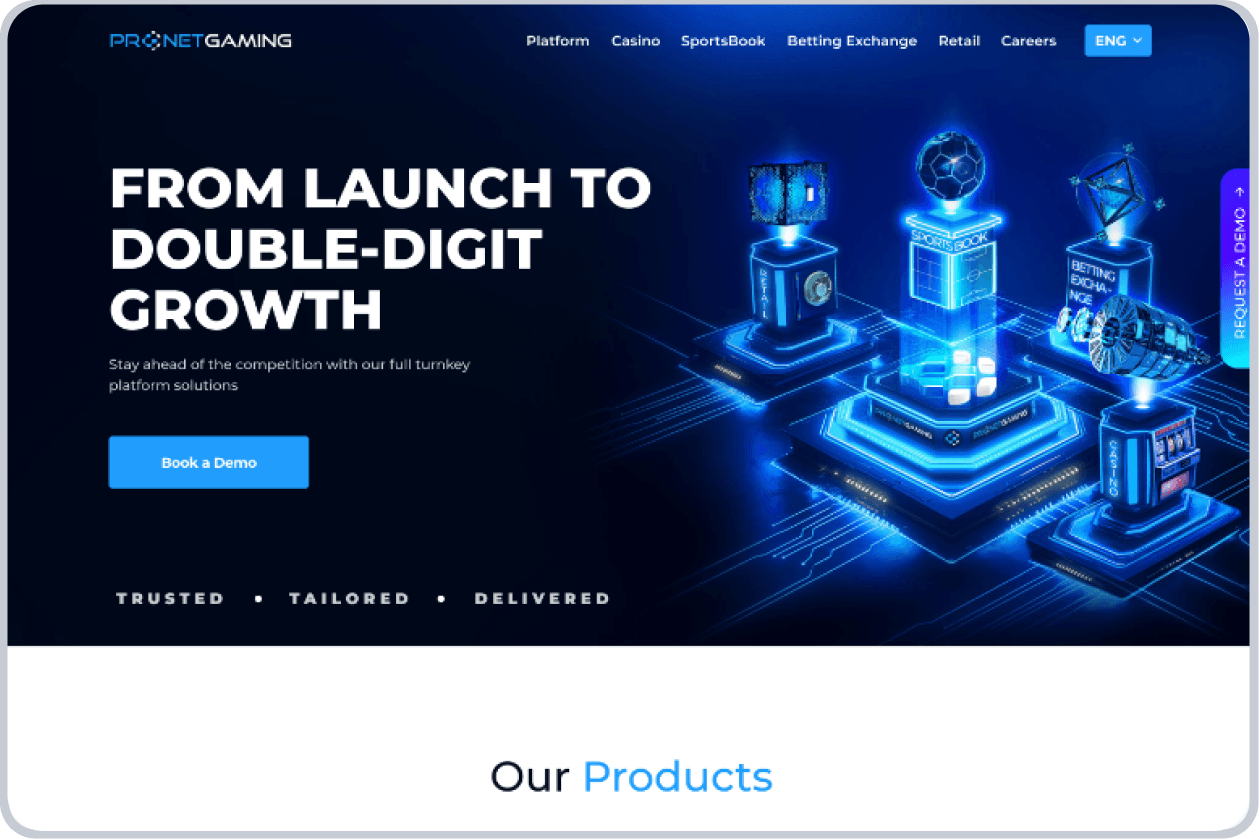
Project Summary
ProNet Gaming required a complete overhaul of its digital platform to better support customers, partners, industry events, and internal business operations.
The project involved modernising the customer experience, restructuring content, implementing a headless architecture, improving system integrations, and creating a scalable foundation capable of supporting future business growth.
Alongside delivery responsibilities, the project included design system development, stakeholder coordination, project management, and integration planning across multiple business functions.
The Business Context
As the organisation continued to grow, its digital presence no longer reflected the scale and complexity of the business.
Customers, partners, and prospective clients needed access to a broad range of products, services, and industry information.
At the same time, internal teams required a more flexible platform capable of supporting marketing activities, event management, lead generation, and ongoing content updates.
The organisation needed more than a website refresh.
It needed a platform capable of supporting future growth while improving both customer and internal user experiences.
Key Business Drivers

Platform Modernisation
Improved Customer Experience
Better Content Management
Event & Lead Capture Support
Greater Operational Flexibility
Future Scalability
The Challenge
The project involved multiple workstreams running simultaneously.
Customer experience, content management, architecture, integrations, design systems, and internal business requirements all needed to be aligned within a relatively short delivery timeframe.
Several challenges needed to be addressed:
Legacy Website Limitations
Complex Content Structure
Scalability Requirements
Multiple Stakeholder Groups
Design Consistency
Event Lead Capture Workflows
Third-Party Integrations
Future Maintenance Considerations
The challenge was not simply rebuilding a website.
The challenge was creating a platform that balanced business objectives, customer needs, operational requirements, and long-term flexibility.
Why It Mattered
Digital platforms often become central to how organisations communicate, generate opportunities, and support customers.
As business requirements evolve, systems must evolve alongside them.
Without a scalable foundation, organisations can experience:
Content Management Challenges
Inconsistent Customer Experiences
Increased Maintenance Effort
Limited Flexibility
Operational Inefficiencies
The project provided an opportunity to create a stronger foundation for both current requirements and future growth initiatives.
Strategic Approach
Rather than approaching the project as a website redesign, the focus was placed on understanding how the platform supported broader business objectives.
The project was delivered across four key areas.
Discovery
Review existing challenges, business requirements, stakeholder needs, and future growth objectives.
Architecture
Define content structure, technical foundations, integrations, workflows, and platform scalability requirements.
Delivery
Coordinate design, development, testing, stakeholder feedback, implementation, and launch preparation.
Optimisation
Refine processes, workflows, reporting, and operational requirements to support long-term business growth.
Design System & User Experience
One of the project's key objectives was creating consistency across the digital experience.
A comprehensive design system was established to support both current requirements and future platform development.
The design system provided a structured framework for:
Components
Layout Patterns
Typography
Content Hierarchy
User Interface Consistency
Cross-Team Collaboration
This created a more efficient delivery process while helping maintain consistency across the platform.
Platform & Systems Delivery
The platform was rebuilt using a modern headless architecture, separating content management from the customer-facing experience.
This approach provided greater flexibility, performance, and long-term scalability.
Delivery Areas
Headless CMS Implementation
Content Management Workflows
API Integrations
Third-Party Connections
Event Registration Systems
Lead Capture Workflows
Customer Data Collection
Internal Operational Processes
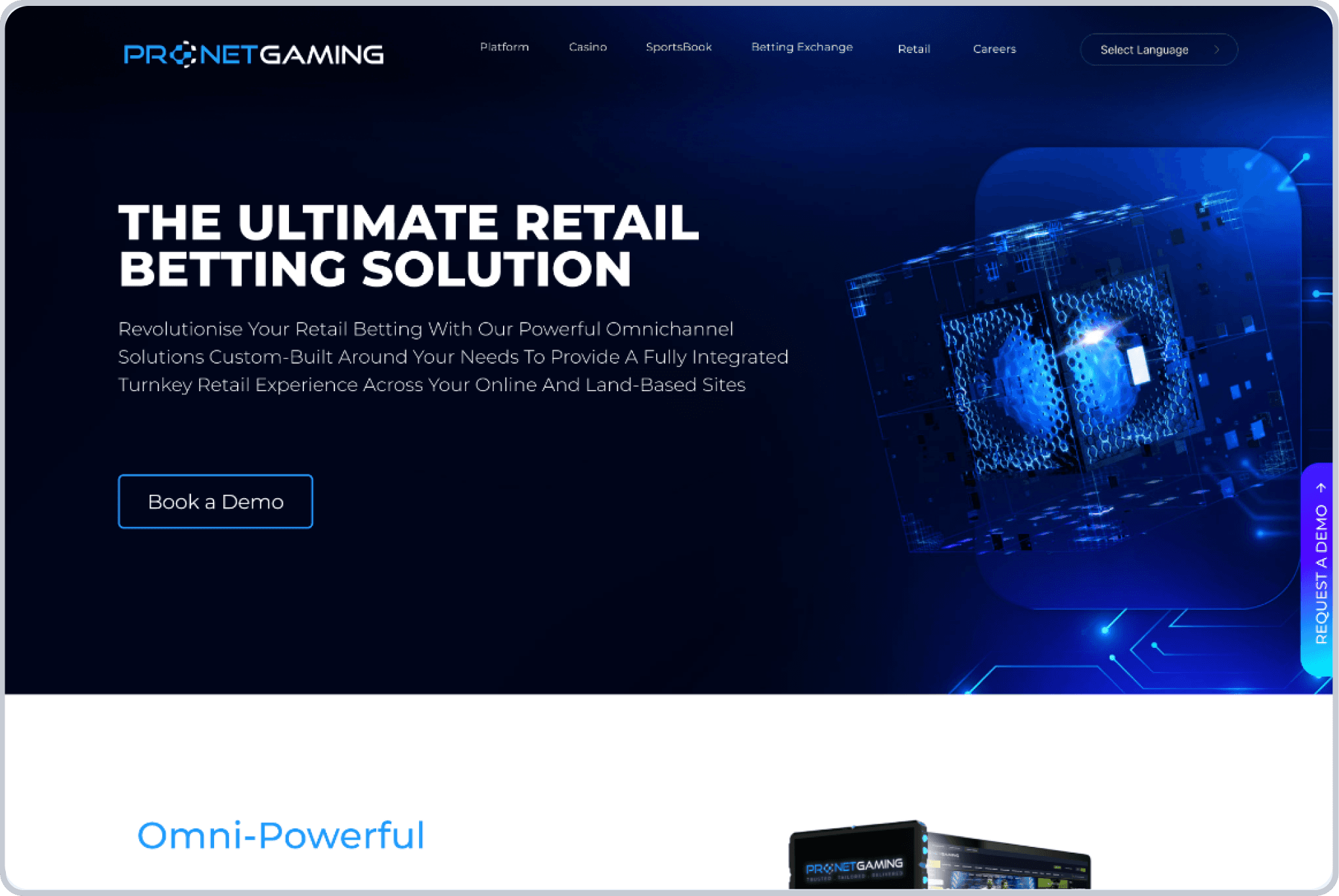
Event & Lead Capture Solution
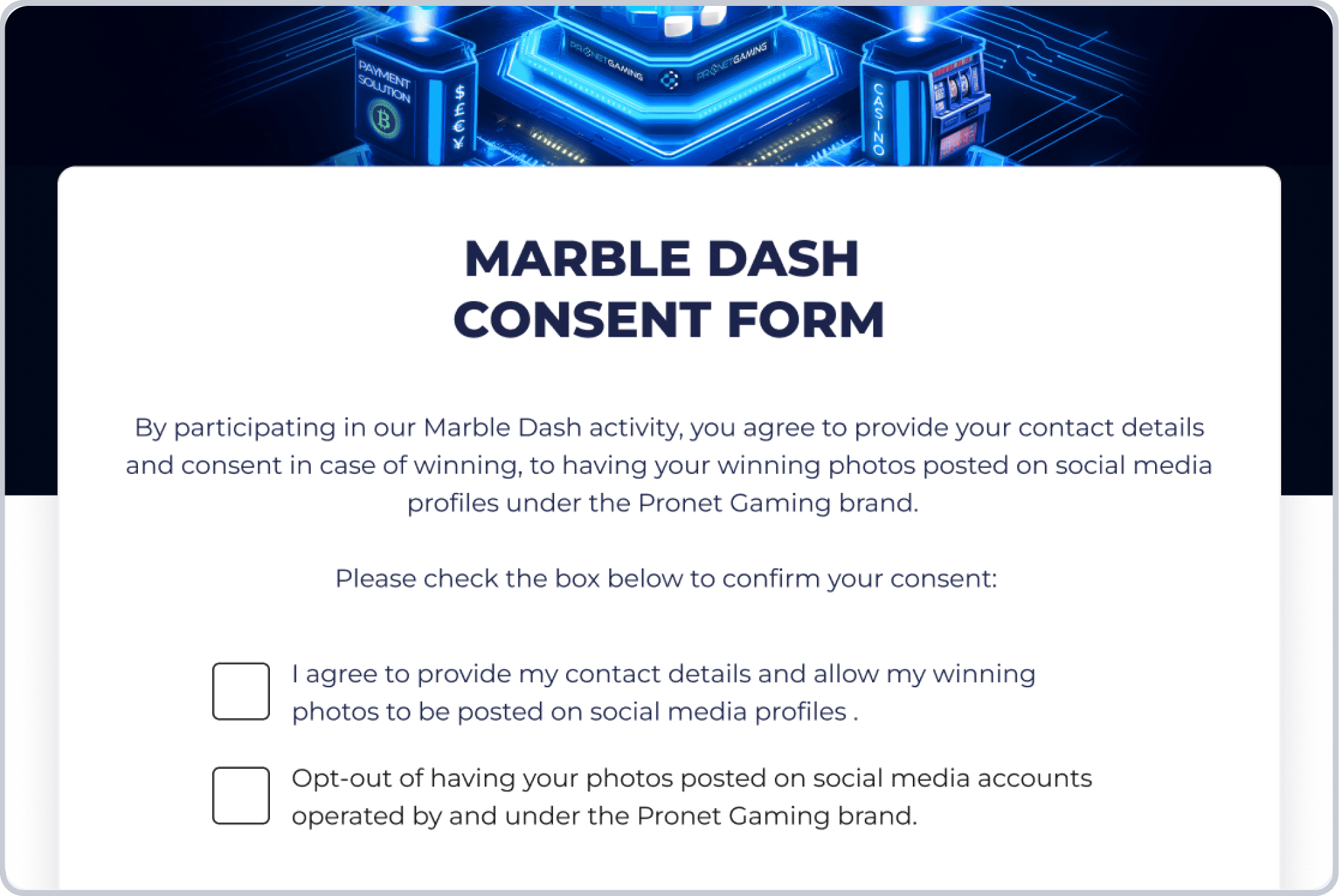
A dedicated lead capture experience was developed to support industry events and exhibitions.
The solution enabled event staff to register visitors quickly using tablet devices while automatically feeding information into the organisation's CRM and internal systems.
Business Benefits
Faster Lead Capture
Reduced Manual Entry
Improved Data Accuracy
Better CRM Visibility
More Efficient Event Operations
Improved Follow-Up Processes
This transformed what had previously been a manual process into a connected workflow that improved lead quality, operational efficiency, and post-event follow-up activities.
Delivery Management
Alongside technical delivery, the project required ongoing coordination across multiple stakeholders.
Responsibilities included:
Sprint Planning
Ticket Management
Progress Reporting
Stakeholder Communication
Requirement Clarification
Risk Management
Launch Coordination
Project delivery was managed through Jira, with regular reporting provided to senior stakeholders throughout the engagement.
Outcomes
The project delivered a stronger digital foundation capable of supporting both immediate requirements and future business initiatives.
Improved Customer Experience
Modernised Platform Architecture
Better Content Management Processes
Stronger Design Consistency
Improved Operational Workflows
Enhanced Lead Capture Capabilities
Better CRM Integration
Greater Scalability
Improved Stakeholder Visibility
Successful On-Time Delivery
Key Takeaways
Successful digital transformation projects require more than technical implementation.
They require alignment between business objectives, customer needs, operational processes, and delivery execution.
By combining strategy, architecture, design systems, integrations, and project leadership, the organisation gained a platform capable of supporting long-term growth and operational efficiency.
Project Highlights
Platform Modernisation
Headless CMS Architecture
Design System Development
CRM Integration
Event Lead Capture Solution
API Integrations
Project Delivery Leadership
Stakeholder Management
Digital Transformation
Related Projects

